SQL SUM Double Counting in One-to-Many JOINs
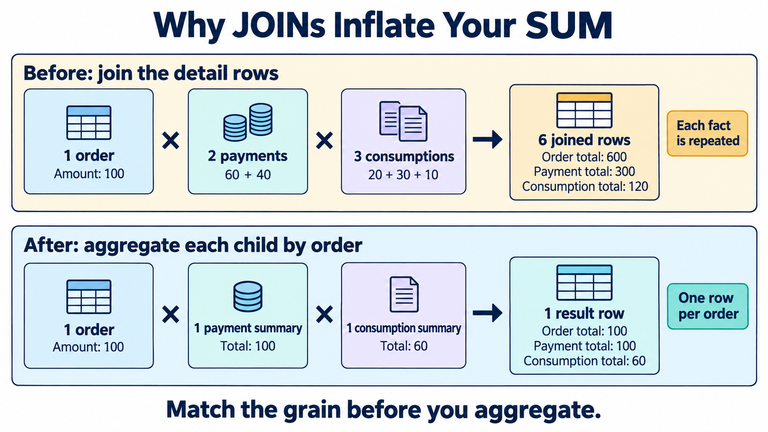
A reproducible SQL example shows why one-to-many JOINs inflate totals and how to fix double counting without hiding valid payments.


A reproducible SQL example shows why one-to-many JOINs inflate totals and how to fix double counting without hiding valid payments.
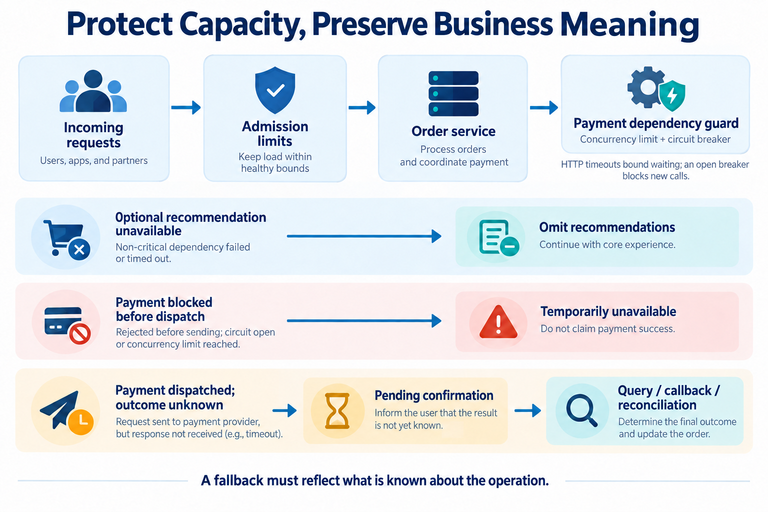
A practical Java guide to containing slow dependencies with rate limits, concurrency caps, timeouts, Sentinel circuit breakers, and business-safe fallbacks.
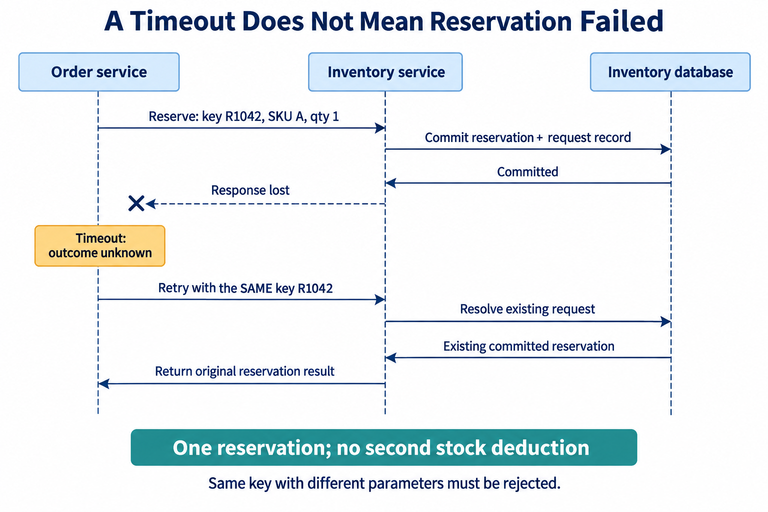
Design OpenFeign order APIs with timeouts, bounded retries, idempotency keys, fallbacks, and connection budgets. Includes reproducible failure tests.
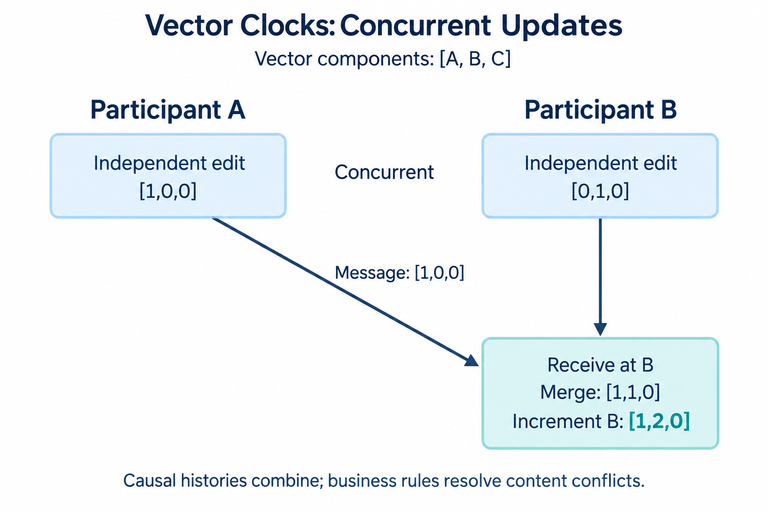
See how clock skew breaks event ordering, then compare fixed clocks, monotonic timing, Lamport clocks, and order versions in Java.
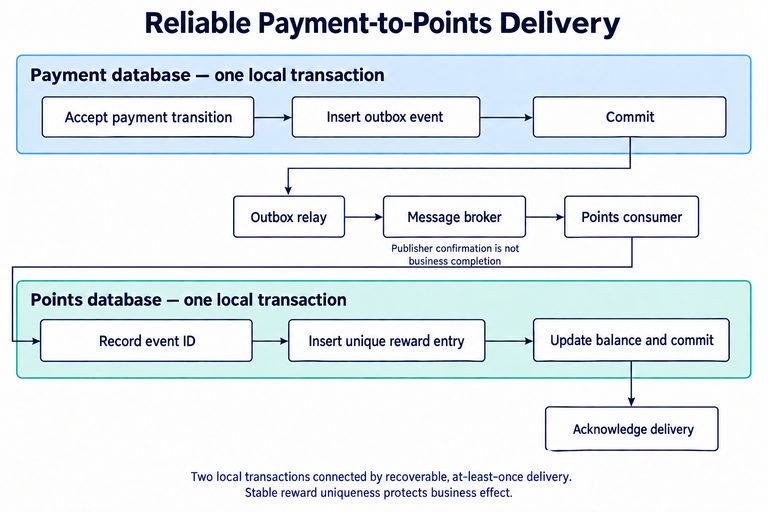
Build a reliable Java payment-to-reward workflow with a transactional outbox, idempotent consumers, stable reward keys, refund handling, and reconciliation tests.

A practical guide to Java distributed locks: protect inventory with database invariants, use Redis leases safely, fence stale workers, and test Redlock and ZooKeeper failure cases.
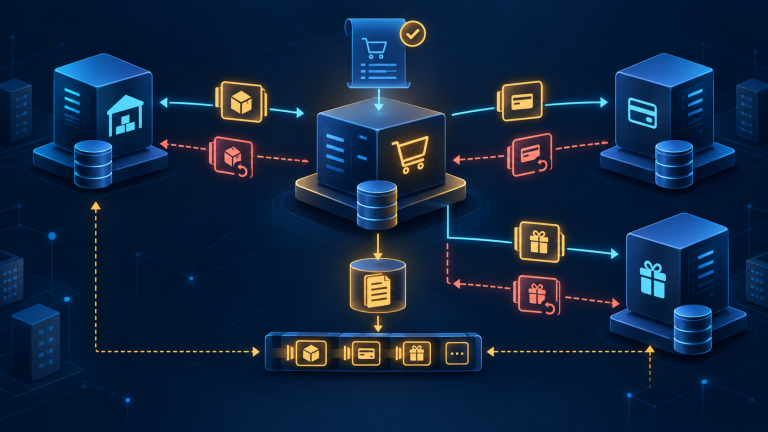
A Java order workflow compares local transactions, the transactional outbox, TCC, and Saga using concrete failure paths for inventory, payment, rewards, and refunds.
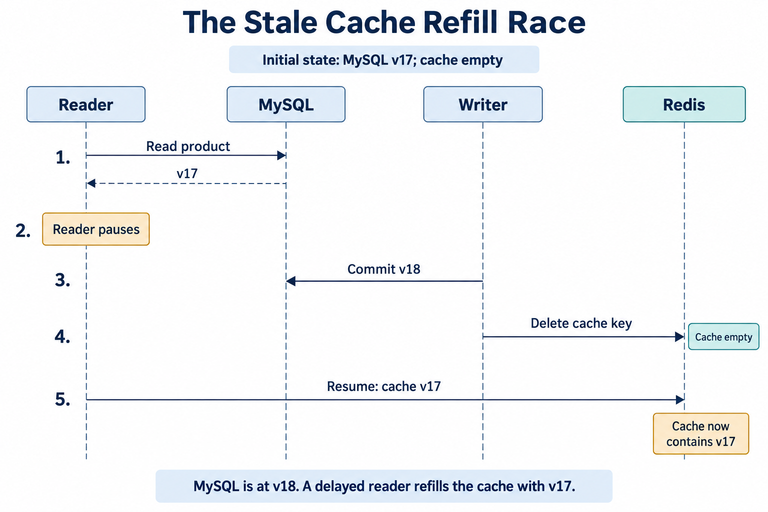
Debug Redis cache consistency in a Java service with cache-aside reads, TTL, invalidation, stale data, and database failures. Includes repeatable failure tests.
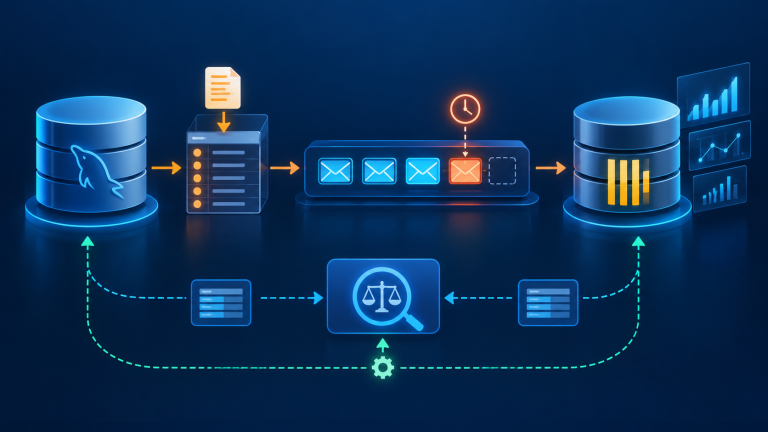
Keep MySQL and ClickHouse aligned with an outbox, versioned writes, reconciliation queries, and explicit recovery for delayed or duplicate events.

A student fitness platform evolves from MySQL writes to ClickHouse analytics with bounded imports, outbox delivery, and query-oriented views.